

History of the John Marley Centre
The John Marley Centre, formerly Wickham View School, has a long history rooted in education and community service.
Wickham View School
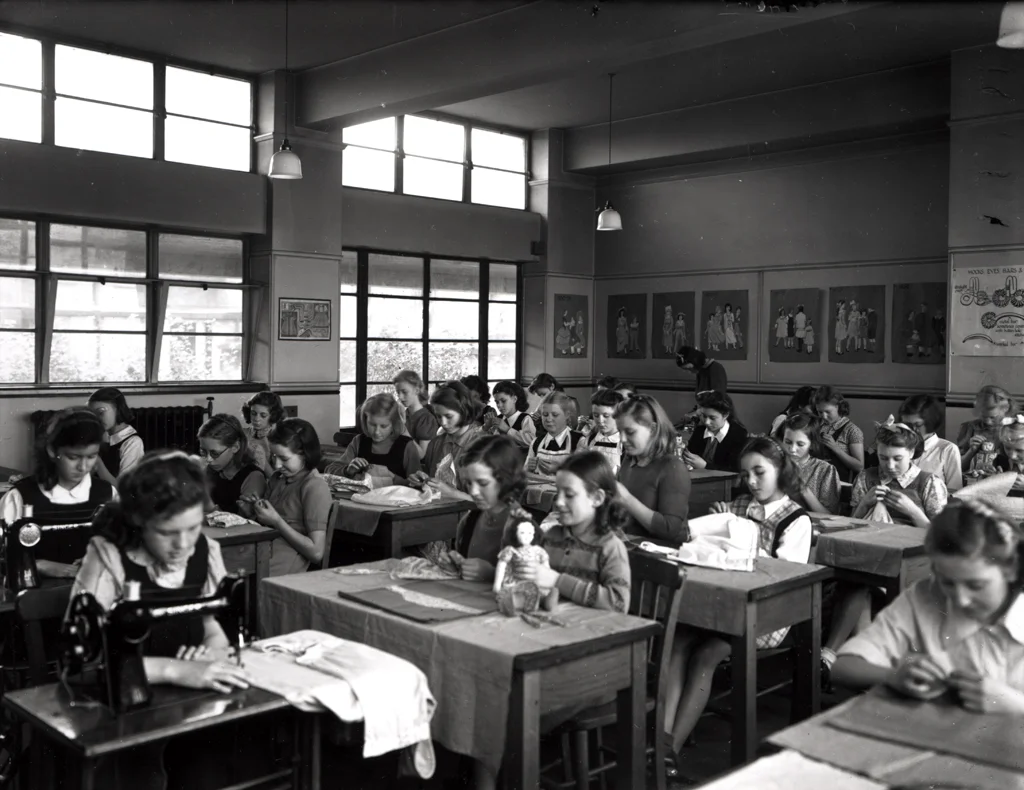
Being built by F. W. Harvey, Building Surveyor to City of Newcastle Education Committee in 1936 and opening as a Secondary Modern in 1938 named Whickham View School.
The school emphasized practical and vocational education, making it a key part of the curriculum. This approach was designed to give students the skills they needed to succeed in the workforce, especially in trades and technical careers.
By the 1980s, the population in the west end of Newcastle began to decline, and the area faced economic difficulties due the closure of many of the industrial centers that the area grew up around. As a result of these changes and a shift in educational policy, Wickham View School eventually closed in 1992.
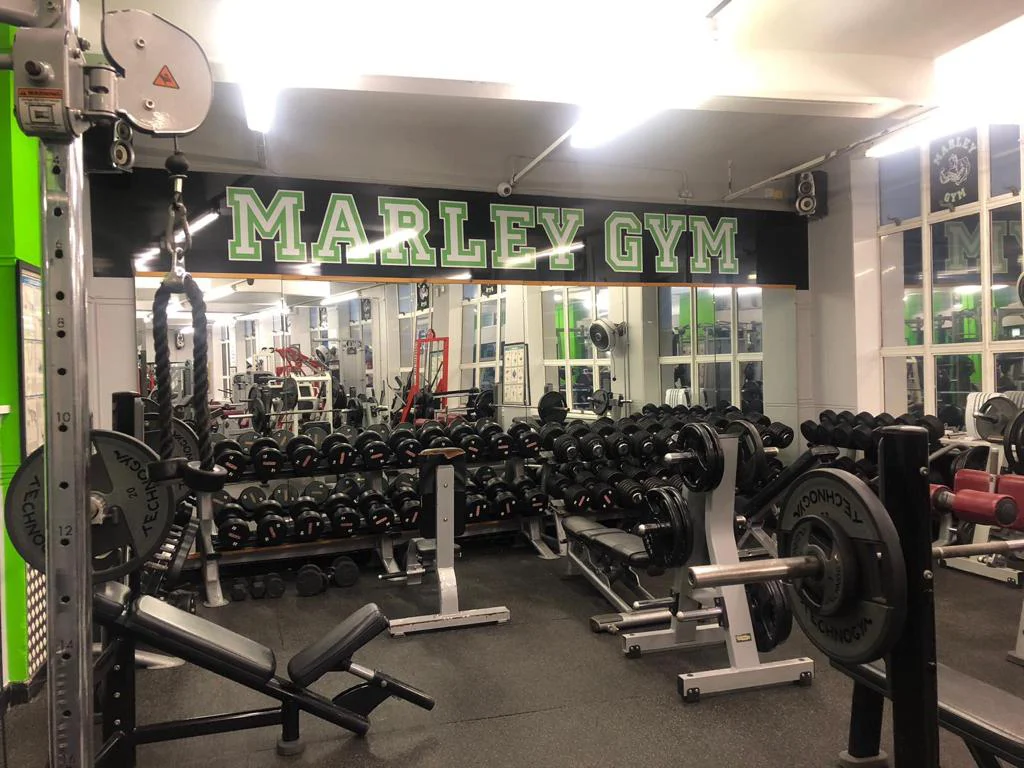
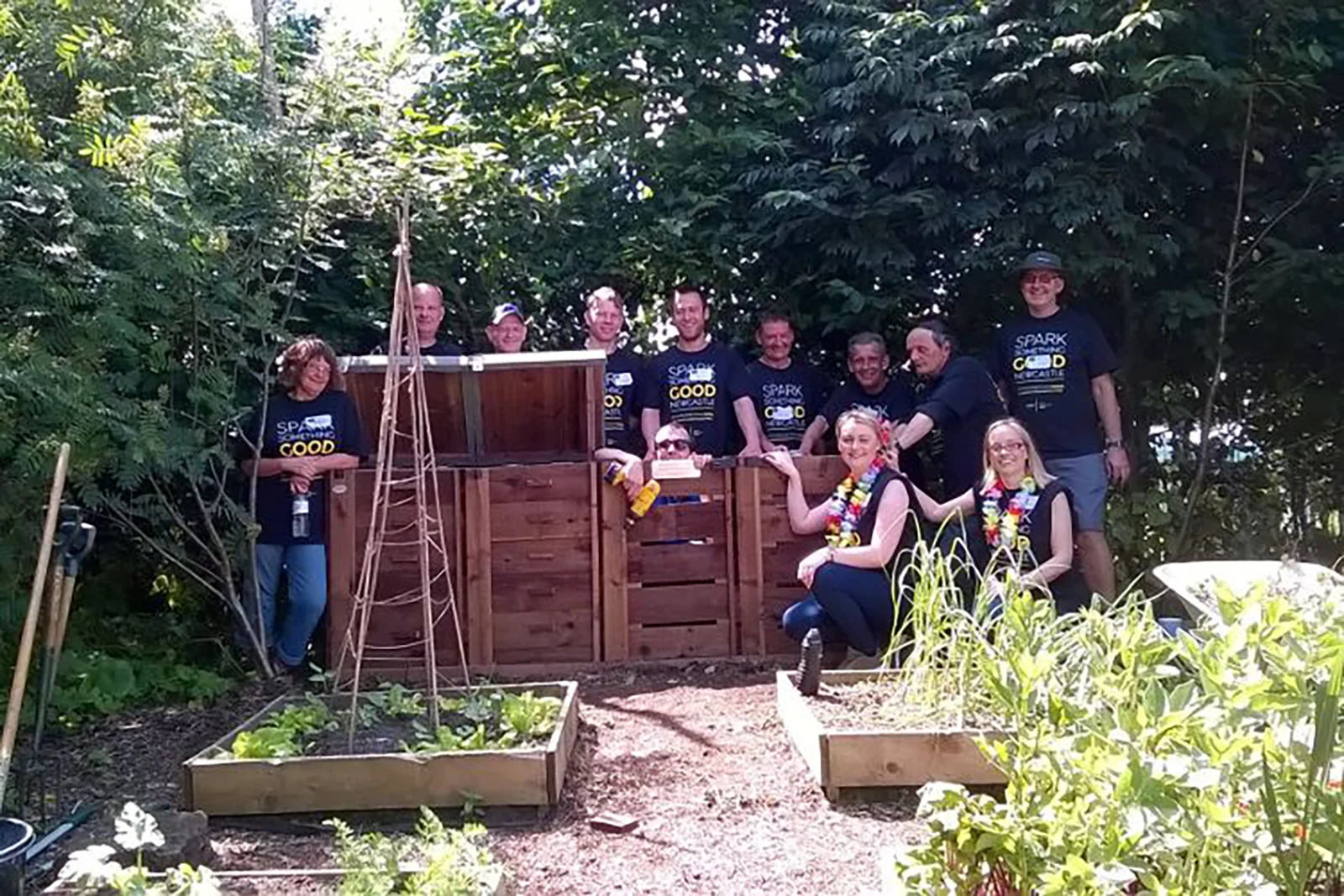
Following this the site became an Adult Education College as part of Newcastle's City Challenge scheme, also seeing the opening of the Marley Gym, and Scotswood Garden in the outer grounds of the site.


Newcastle College
After the closure of the school, the site was repurposed as the John Marley Centre, with Newcastle College expanding to make the site it's West End campus.
Newcastle College made the campus the home of it's music and music technology courses, creating numerous purpose built recording studios and perfomance facilities. Opening in October 1994, the guest of honor was Dire Straits' Mark Knopfler. Another celevbrity who visited the site during this time was Sting, who performed with students and staff on the stage in the hall and recording studios.
The West End campus was well-known for its focus on vocational and technical education, continuing the legacy of the Wickham View School. The campus offered courses in trades such as plumbing, electrical work, and other technical fields, providing hands-on training that was highly valued in the local job market.
The Newcastle City Learning Centre, which was part of the campus, was a key facility that provided access to technology and digital learning resources. This center was designed to support both students and members of the community, offering workshops, courses, and access to computers and other technology.
The West End campus also hosted various youth and community programs, including after-school activities, sports, and arts initiatives. These programs aimed to engage young people from the surrounding areas and provide them with positive opportunities for personal development.
The campus worked closely with local businesses and industries, providing tailored training programs that met the needs of the local economy. This partnership helped students secure apprenticeships and job placements, making the campus an important bridge between education and employment.
The John Marley Centre was not just an educational facility but also a community space. It often hosted events, workshops, and other activities that brought people together, making it a central part of community life in the West End.


Current Day
Most of the site then fell into disuse after 2013 when Newcastle College began closing its West End campus. The closure was part of a broader consolidation of the college's resources and facilities, aimed at focusing more on the main campus at Rye Hill and other strategic sites across the city. After the closure, the site was no longer used for educational purposes but retained some administrative use by the colllege for a number of years.
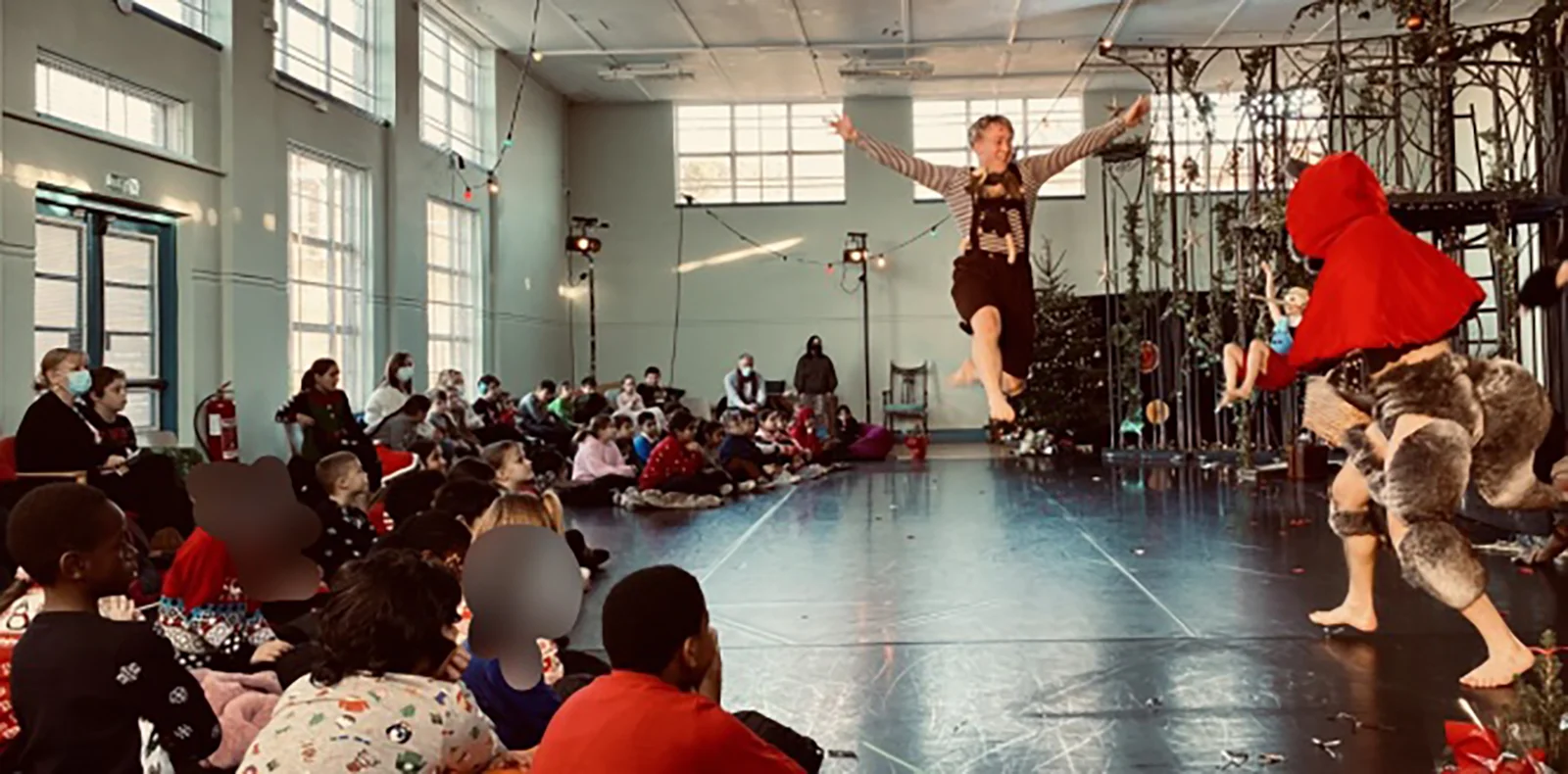
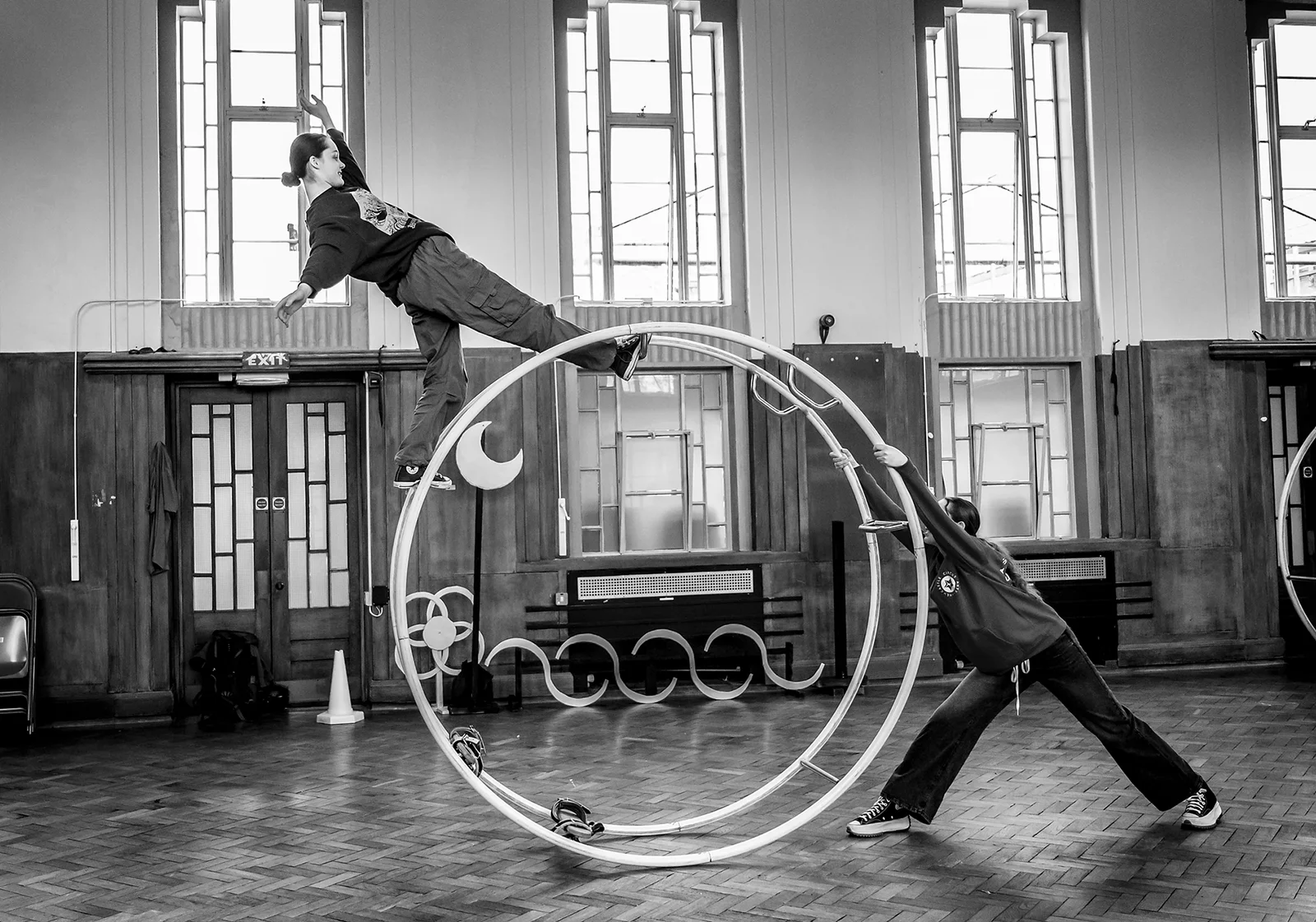
Post Covid lockdown, the site then found a new lease of life housing some of arts and culture organisations displaced by the Pilgrim's Quarter development and the wider changes in Newcatle City Centre. Today John Marley Centre is home to many groups such as balletLorrent, Breeze Creatives, West End Prep, Newcastle Circus Arts, and many more individuals and groups that work in the creative industires, as well as retaining longterm residents Marley Gym and Scotswood Garden.